Welcome Spring 2022 Interns!

Join us in welcoming our Spring 2022 interns Spencer Gorman and Gwynn Klumpenaar! We are thrilled to have them on board for the spring semester to strengthen the BE+ community and advance our mission to drive the sustainable and regenerative design, construction, and operation of the built environment. They’re bringing exciting interests, passions, and skills to the table, and we can’t wait to see what we can accomplish together.

We are so grateful to have them, and wish them a warm welcome to this community!

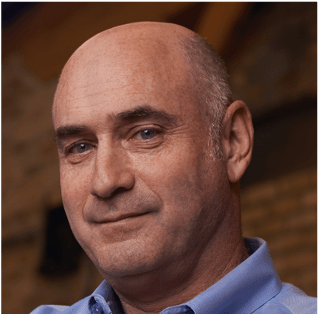
Spencer Gorma

Spencer Gorman

I am looking forward to joining the BE+ team this spring and am thrilled about the opportunity to serve the Massachusetts green building community. I am currently pursuing an Environmental Policy & Planning MS degree from Tufts University where I have become passionate about the role of the built environment in promoting sustainability and equity. I have specialized in green design during the program, and I am especially intrigued by the relationship between passive design measures and energy efficiency. This spring, I am excited to be on the cutting edge of the green building transformation with BE+ and am eager to contribute to further sharing of knowledge and expansion of sustainable building practices within and outside the community.

Gwynn Klumpenaar

Hello! My name is Gwynn and I am eager to work with the BE+ team to help them drive their mission of making meaningful improvements to the sustainability of our built environment. I am entering my last semester at UMass Amherst, where I will earn a Bachelor’s degree in Environmental Science with a concentration in Sustainable Community Development. I am particularly interested in improving the quality of life in cities and surrounding suburbs through increased access to and abundance of green infrastructure, regenerative design, and healthy food networks. I plan to pursue a Master’s degree in the near future in a sustainability related field and I am extremely hopeful that my time spent working with the BE+ team will better prepare me to promote sustainable building practices in my career. 

Gwynn Klumpenaar
Women In Green Recap: What’s Your Superpower?

Women In Green Recap: What’s Your Superpower?

The following recap of our 2021 Women In Green gathering was contributed by Allison Zuchman, chair of the BE+ Women In Green Roundtable, and Senior Sustainability Consultant at The Green Engineer. We invite you to check out the Zoom recording as well as the Miro board embedded below.

What’s Your Superpower?

How can we best use our individual strengths to lead in our work? How can we collectively use our strengths to address the urgency around climate change? How can we create motivation, inspire action, and drive change in an equitable and just way? “What’s your Superpower?” was the topic of the 2021 Women in Green annual celebration, held virtually on December 15, 2021. We began in breakout groups where we identified our own individual strengths and as the event continued these important questions stirred the conversation.

Dr. Angelita Scott, Director and Community Concept Lead for the WELL Building Standard and WELL Equity Lead at the International WELL Building Institute (IWBI), was the moderator. Rev. Mariama White-Hammond, Boston’s Chief of Environment, Energy, and Open Space and the founding pastor of New Roots AME Church in Dorchester, was the featured speaker. They spoke about the imperative to act more intentionally, holistically, and locally to address the climate crisis. They talked about how the climate crisis is a social, spiritual crisis about what kind of world we want to create. What are our values individually and collectively? How do we take care of ourselves, connect in our communities, and inspire each other to rise up and act?

Our Superpowers: A Word Cloud

Making An Impact, Together

We can create motivation and inspire action by moving from a strengths-based approach. Know what your superpowers are, break down silos, and make connections with others to move things forward. One of Rev. Mariama White-Hammond’s strengths that allows her to succeed as an activist, a pastor, and now as a government official is her skill in “making a claim.” She is skilled at taking complex ideas and presenting them in ways people can access them. She is skilled at distilling the moral, social, spiritual piece underneath what is being talked about. Rev. White-Hammond recommended that one of the best ways to use your strengths, engage with others, and inspire action is to dig in close to home. Be active where you are. Find a space to push that is realistic to the life you are in, whether your neighborhood, your workplace, your school. What you do doesn’t have to be a grand gesture. Sometimes to take action you just need two other people you can call and rely on. You can be a climate warrior from wherever you are.

Women’s voices have historically been marginalized but in recent years we are seeing women, and specifically women of color, in more leadership roles. We are seeing a rise in women in politics and in women leading climate issues. Women of color are in leadership roles here in the City of Boston and in the State of Massachusetts. In addition to Rev. Mariama White-Hammond, we can look to others like Boston’s Mayor Michelle Wu and U.S. Representative Ayanna Pressley. 15-20 years ago this was just an idea. A group of women started with the belief that this was possible, imagined it, laid the groundwork, and had patience and realized it would take time. Nationally and globally we can look toward leaders like Dr. Scott whose work includes a new WELL Health Equity Rating hoping to move equity across the globe.

An All-Hands-On-Deck Moment

Moving forward, as green building professionals, we need to be extremely intentional in how we do our work. To do our work well, individually and collectively, we need to know what each of our own strengths are and create spaces to imagine, inspire and organize together. We need to commit to all three aspects of the triple bottom line, spending as much time on equity issues as we have on the environmental and the economic issues of green building. This is an all-hand-on-deck, transformational moment in time. Young people have raised the profile of the climate issue. Without the climate strikes, without young people speaking out locally and globally, we would not be in the moment that we are in. We need to work together across generations. We need to create integrated, equitable and just spaces that allow us all to combine our superpowers in the most effective way.

An All-Hands-On-Deck Total Transformation Moment

I was inspired by Dr. Scott and Rev. White-Hammond and by everyone who attended the Women in Green event. There is much more to say than I could possibly capture here on this page. I encourage you to watch the recording, realize your superpowers, and engage with your community however you define it. And join us. The BE+ Women in Green Roundtable brings women together regularly on a quarterly basis and ends each year together for a larger celebration. Find out about all our events and register on our webpage. We are looking for a few key folks to join our Women in Green steering committee to help plan this year’s events. Let us know if you are interested by sending a note to meredith@builtenvironmentplus.org.

I hope you also feel inspired and are looking forward to all that we can do together in 2022.

Our 2021 Green Building Showcase Winners!

Our 2021 Green Building Showcase Winners!

The Wait was Worth It!

After two long years apart, the Built Environment Plus community was able to reunite for the 2021 Green Building Showcase. This community works so hard to advance sustainable and regenerative design, construction, and operation of the built environment throughout the year, and we are so grateful to have been able to celebrate industry success and innovation.  

At GBS 2021, community members celebrated the best efforts, designs, and products in the Commonwealth. 100+ people celebrated 50+ projects that all embraced the spirit of sustainable design.

Attendees included architects, engineers, contractors, developers, owners, facility managers, building users, lenders, suppliers – everyone who plays a role in designing, operating, and constructing the built environment. We here at Built Environment Plus are so appreciative to the green building community for coming out and celebrating with us. 

This year brought in a new leadership award to recognize someone who has made a significant positive impact on the environment, social equity, and economy. Congratulations to our first Change Agent of the Year, Jacob Knowles of BR+A, and in addition as awarded by the judges, our first Emerging Change Agent of the Year, Kiersten Washle of CMTA! Jacob is an active member of the BE+ community and a key part of our roundtables, and Kiersten is the leader of our Emerging Professionals group.

GREEN BUILDING OF THE YEAR

Harvard University Science and Engineering Complex
Submitted by Behnisch Architekten & Harvard University

Setting a new paradigm for scholarship in the 21st century and beyond, Harvard’s Science and Engineering Complex (SEC) is designed to inspire learning and scientific discovery while showcasing sustainability. The building weaves together a number of threads of contemporary life, which will influence current and future generations of researchers: engineering’s influence on the exploration and resolution of some of the world’s most pressing problems, the importance of cross-disciplinary efforts to achieve major scientific breakthroughs, and genuine leadership in sustainable design and urban development. The building’s adaptable, innovative environments support the school’s commitment to cutting-edge academic collaboration, create vibrant public spaces at a variety of scales, and set a distinctive architectural tone for the Allston campus.

The eight-level, 544,000-square-foot building is organized into three four-story volumes connected by two glazed, multi-story atria that provide light-filled social hubs for faculty and students. The upper stories are clad in a facade whose layered design celebrates and calibrates the scale of the large volumes that comprise the research activities of the building, creates an identity for the complex, and plays a crucial role in the efficient energy performance of the building as well as occupant comfort.

Sustainability and performance are high priorities for Harvard. The SEC has been certified LEED Platinum. Complementing energy-conscious HVAC and lighting systems and vegetated roof terraces, the facade balances technical and aesthetic goals. Four principal facade types are used at the building, including the world’s first hydroformed stainless-steel screen, which wraps the laboratory portion of the structure. It is dimensioned to shield the interior from solar heat gain during warmer months while admitting beneficial sun during the winter, reducing cooling and heating loads. The screen reflects daylight towards the interior while maintaining large view apertures. Glazed facade sections feature exterior sun-shades and operable windows that support automated natural ventilation.

GREEN HOME OF THE YEAR

The Harvey

Submitted by CBT

The Harvey is a new six-story, 177-unit residential building in the famed Hood Park in the Boston neighborhood of Charlestown. The project represents an important phase in Hood Park’s continuing evolution from its origins as an industrial plant to a state-of-the-art office/research park, and now into a modern and dynamic mixed-use development. The highly sustainable building is designed to complement the existing buildings in Hood Park and give life to the emerging Rutherford Avenue corridor with 10,500 square feet of new retail space.

The retail venues serve the larger Charlestown community, as well as the businesses throughout Hood Park. CBT collaborated with New Ecology (a firm working to bring the benefits of sustainable development to the community level, with a concerted emphasis on underserved populations) to develop a design that has achieved LEED Platinum certification under the LEED for Homes and Multifamily Mid-Rise program. The highly sustainable Harvey is a bold and inviting gateway into this vibrant and revitalized industrial neighborhood.

Category Leader Awards

CARBON & ENERGY

Rockwell Integrated Sciences Center
Submitted by Payette

Conceived as an “inside–out” building, the new Rockwell Integrated Sciences Center revolves around a vibrant four-story gathering space that has a small footprint, but a large building impact. Despite its location tucked away in the corner of an existing courtyard, the building provides robust spaces for science and a welcoming campus destination. Experienced as a contextually appropriate three-story building from campus, much of the building’s program is concealed from view using sunken courtyards to maximize daylight and internal visual connections.

Replacing an inefficient biology building the project resulted in a 40% reduction in campus carbon emission. A multi-valent approach decoupling ventilation from conditioning, utilizing filtered fume hoods, air quality monitoring, and a high-performance mechanical system with enthalpy heat recovery resulted in a 74% reduction in energy usage from a typical lab building. The energy load reduction, also contributed to a 56% reduction in water usage for the cooling tower, and a 41% reduction in building water usage and 76% reduction in stormwater run-off from the pre-project conditions and providing vegetated areas for 30% of the building footprint.

The project achieved a Bird Safety Avoidance Index of over 75 by limiting glazing to 24%, utilizing a custom frit and careful location of plantings. The envelope performance also focused on minimizing thermal bridging and was studied for passive survivability and interior conditions for 72 hours in the event of power loss. Occupant health and comfort was integrated throughout the design utilizing healthier materials that minimized the usage of flame retardants, anti-microbials, highly fluorinated chemicals and vinyl, while incorporating natural ventilation in classrooms and offices and daylight throughout the building.

Consciously subtle in its portrayal of sustainability, this LEED Platinum building has set the bar for sustainable building, catapulting the College toward the President’s pledge of carbon neutrality by 2035.

EQUITY & INCLUSION

The Swift Factory
Submitted by Bruner/Cott Architects

In Northeast Hartford, the former Swift Gold Leaf Factory is reimagined into a community venue generating opportunities for job creation and training, educating youth, improving resident health, and spurring local economic growth.

Once the economic heart of its neighborhood, the Swift Factory closed in 2005, leading to decades of systemic challenges that drove unemployment to 25%, left nearly half the population living below the poverty line, and lead to the area’s designation as an HUD Promise Zone in 2015.

The redevelopment of the Swift Factory revitalizes an existing community asset to better serve its residents through mission- and community-driven adaptive reuse of the site’s six historic factory buildings and two homes. The Swift factory’s new uses address the economic, social, cultural, and environmental conditions of the neighborhood.

HEALTH & WELLNESS  1/2

Richard A. and Susan F. Smith Campus Center

Submitted by Bruner/Cott Architects

The Holyoke Center at Harvard has undergone a transformation of its ground floor arcade, public common spaces, and its student collaboration spaces to become the new Richard A. & Susan F. Smith Campus Center. The 10-story building, designed by Josep Lluis Sert and orginally opened in 1965, occupies a full city block in the heart of Harvard Square. A much-needed modernization and reorganization of uses brought formerly private office spaces into the public sphere and enhanced already public areas with a variety of collaborative and recreational spaces. The renovation was a major milestone of Harvard’s ongoing ‘Common Spaces’ initiative, which promotes the creation of physical spaces and intentional programming for fostering intellectual, cultural, and social experiences on campus.

HEALTH & WELLNESS  2/2

Boston Medical Center Rooftop Farm

Submitted by Recover Green Roofs

In 2017, Recover installed a rooftop farm atop Boston Medical Center. The farm, which produces around 5,000lbs of food a year, serves the patients and staff of the hospital with fresh food, in addition to absorbing stormwater and reducing the building’s carbon footprint. Rather than freighting food in, BMC may now produce food at a large enough scale to regularly provide its residents with the freshest of vegetables and greens, which they can watch being wheeled directly from the farm to the hospital’s kitchens, rather than going through multiple stages of transport across state lines. The close proximity and regenerative practices of the farm (managed by Lindsay Allen) decrease the loss of nutrients and potential for contamination associated with shipping produce to the hospital. Additionally, any extra food produced in a week goes to the hospital’s Preventative Food Pantry, which serves local city residents who are struggling with hunger and/or otherwise lack access to fresh produce.

SITE & LANDSCAPE

Ora Seaport
Submitted by Arrowstreet Architecture & Design

Ora Seaport marks a new gateway development with direct access to the Silverline Way bus stop, the Boston Harbor as well as a popular performance pavilion. This mixed-use development is comprised of two buildings that integrate apartments, boutique hotel restaurants, and retail shops with a substantial public realm. The site was designed with a focus on resiliency: integrating creative ways to protect the buildings from sea level rise while maintaining strong pedestrian connections between the interior spaces and the street.

A primary focus of this development was to incorporate community-oriented urban design that also address the resiliency challenges. The elevated terrace is comprised of dining and lounge areas and is surrounded by private patios. The roof deck contains decorative screens, pool, cabanas, fireplace, media walls, grills, wet bar, and an extensive green roof planting system to absorb rainwater. The streetscape incorporates the Seaport Square design aesthetic and consists of permeable paving, rain gardens, industrial-inspired aged steel components, and ample plantings. The architecture and landscape create a sequence of interwoven public spaces that maximize ocean views while providing a superior level of protection from rising tides and storm surges. The walls on the plaza also double as outdoor seating and integrate into the raised entry areas and seamlessly raise the ground floor’s elevation to further protect it from flooding. These passive systems eliminate the need for more traditional deployable flood barriers around the building.

SUSTAINABLE CONSTRUCTION INNOVATION

69 A Street
Submitted by Commodore Builders

We renovated and expanded an existing rivet factory in South Boston at 69 A Street. The project converted the existing three-story building into a five-story office and retail space using CLT planks supported by glulam columns and beams. The lightweight and sustainable CLT design allowed for the addition of two levels without the need for substantial reinforcement of the existing structure. It was also a clear choice for a highly constricted urban area with absolutely no laydown and delivery spaces. By creating a detailed and efficient schedule, we were able to move planks directly from the delivery truck into their appropriate location within the building. The choice in materials helped expedite the construction process, and the exposed wood CLT ceilings and glulam complemented the aesthetic of the existing wood features of the structure.

STUDENT PROJECT OF THE YEAR

Resilient Hub
Submitted by Team Harvard GSD

In this era of Anthropocene, buildings will be subjected to rising temperatures and increased risk of natural disasters. In addition, a growing population and strong urbanization trend will increase the density of our cities. These environmental changes will have a considerable effect on future building performance. ResilientHub, situated in the Seaport District of Boston, Massachusetts, USA, is a future-ready building that maintains the highest energy efficiency and occupant comfort level possible throughout its lifetime.

The proposed building design accommodates thirteen floors office space, in addition to retail, restaurants, a daycare center for children of office employees, and underground parking on the lower floors. The office floors are expected to cater to a diverse range of corporate users from the life sciences, technology and financial sector. Adaptable ETFE pillow façades, that feature a novel tunable material developed at the GSD, optimize solar heat gain and daylight access in response to daily and seasonal weather changes, and future global warming and urbanization. A solar chimney, placed prominently at its most optimal position for solar heat gain, provides buoyancy-driven natural ventilation and significantly lowers the building’s cooling loads with future rising temperatures. A series of indoor atria supply the office spaces with a healthy level of natural daylight and provide a space for informal social interaction. Situated in a flood zone, the building employs building and landscape-integrated strategies to mitigate flood levels and delay, resist and discharge flood water. The innovative, high-performance design solutions ResilientHub employs are directly applicable to the vast majority of the future global building stock that will be affected by the same environmental changes.

National Grid/Eversource Energy Optimization Award

Lowell Justice Center
Submitted by The Green Engineer

Located within the Lowell National Historic Park, the Lowell Justice Center forms the cornerstone of Lowell’s Hamilton Canal District development master plan. The project originally began with a certifiable building study and was the largest of three pilot studies for the Commonwealth of Massachusetts’ Division of Capital Asset Management and Maintenance (DCAMM)s ZNE initiatives. A goal in the design of this 265,000 SF courthouse was to maximize energy efficiency. Building systems and controls, glazing, and highly insulated walls are among many of the design features specified to achieve performance targets 40% better than code and its LEED Platinum certification. The building contains a chilled beam HVAC system, photovoltaic panels, and a sophisticated building envelope as well as abundant natural light throughout. The Center was designed in orientation to the site, with many special landscaping features incorporated on the former brownfield site, such as the use of native plants requiring no irrigation and a post-development site runoff reduction of 40%. Approximately 65% of the occupied floor area offers direct views to the outdoors. Water use reduction is 35% and energy use savings are approximately 58%. The Lowell Justice Center is the first courthouse in Massachusetts and first state courthouse in the country to achieve LEED Platinum certification.

Presented by:

Denise Rouleau, Lead Program Manager, National Grid 

Michael Loughlin, Program Manager, Eversource

PEOPLE’S CHOICE AWARD

Emerson College – The Little Building
Submitted by Elkus Manfredi Architects

The preservation and adaptive reuse of the Little Building, in spite of serious structural challenges that could have led to its demolition, demonstrate the value of inventing creative solutions that reduce both waste and the introduction of new embodied carbon, mitigating the environmental cost of construction — and how sustainability and preservation objectives can work in concert to enhance our built environment.

The reinvigorated Little Building is a uniquely creative 21st-century response to complex preservation challenges. The project addresses the building’s failing façade and recaptures its modern Renaissance Gothic glory, increases the bed count and improves student life spaces, and implements current life safety codes — all while respecting the historic fabric, upholding an aggressive schedule, and maintaining a reasonable budget.

The novel strategies employed in the preservation of its façade made the project viable and involved the utilization of aerospace laser scanning technology, digital modeling of complex Gothic geometries, and direct designer-to-fabricator communication of each component. Following Emerson’s acquisition of the building, existing façade failures were found to be far worse than imagined: not only had water infiltration irreparably damaged the cast stone, it had also begun to corrode the steel, compromising structural integrity. The design team’s hybrid strategy combines established techniques for conservation of the lower levels and replacement in kind of the upper levels’ cast stone, guided by the physical evidence — via digital scanning — of the extant pieces.

The team’s post-completion study quantifies the environmental impact of saving as much of the steel superstructure and façade as possible, versus simply demolishing and building new, demonstrating the value of this effort and of considering embodied carbon in the design of our build environment.

Experience our 2021 Green Building Showcase as a Digital Gallery

Thank you to our Amazing Judges!

Betsy del Monte

Betsy del Monte

FAIA, LEED BD+C Architect & Consultant, CameronMacallister Adjunct Professor, SMU Lyle School of Engineering

Health & Wellness | Sustainable Construction Innovation

Debra Guenther

Debra Guenther

FASLA Design Partner, Mithun

Site & Landscape

Lisa Matthiessen

Lisa Matthiessen

FAIA, LEED Fellow Industry Expert, World Wide Sustainability, Amazon

Health & Wellness | Sustainable Building Operations

Z Smith

Z Smith

FAIA, LEED Fellow, WELL AP, Fitwel & Living Building Ambassador Principal, EskewDumezRipple


Energy & Water Efficiency | Site


Kimberly Lewis

Kimberly Lewis

Chief Equity Officer at Havenz Network. Co-Chair; Health Equity Advisory, IWBI

Equity & Inclusion

Julia Rodgers

Julia Rodgers

Global Operations, FCS, Facebook


Carbon & Energy | Sustainable Building Operations


Mary Ann Lazarus

Mary Ann Lazarus

FAIA LEED Fellow Architect and Consultant, CameronMacAllister Sustainability Program Coordinator, University College Washington University in St. Louis


Green Building of the Year | Change Agent


Josh Radoff

Josh Radoff

Renewable & Sustainable Energy Specialization Lead, Masters of the Environment Program, University of Colorado Boulder


Green Building of the Year | Green Home of the Year


Alex Muller

Alex Muller

Director of Collaborative Impact, mindfulMATERIALS

Health & Wellness | Sustainable Construction Innovation

Pauline Souza

Pauline Souza

Partner, K-12 sector lead and the Director of Sustainability at WRNS Studio


Green Building of the Year | Equity & Inclusion


Patrick Thibaudeau

Patrick Thibaudeau

LEED Fellow, ILFI Principal Sustainability Officer, JLG Architects


Green Building of the Year | Change Agent


Nathan Kipnis

Nathan Kipnis

FAIA Kipnis Architecture + Planning


Green Building of the Year | Green Home of the Year


Patty Rose

Patty Rose

Executive Director, Greenspace NCR, Inc.

Green Home of the Year | Equity & Inclusion

Bonny Bentzin

Bonny Bentzin

Deputy Chief Sustainability Officer, University of California, Los Angeles


Site & Landscape | Sustainable Building Operations


Thank you to our Event Sponsors!

Charles River Speedway anchors the BE+ 2021 Green Building Showcase

Charles River Speedway anchors the BE+ 2021 Green Building Showcase

The 2021 Green Building Showcase is set to return to Boston on October 21st at the revitalized Charles River Speedway—a landmark example of adaptive reuse and historic preservation. It’s not too late to buy your tickets to join the leading architects, engineers, contractors, developers, owners, facility managers, manufacturers and more pushing the envelope for sustainable and regenerative design, construction and operations of the built environment.

The following overview of the project was provided by Bruner/Cott Architects.

Charles River Speedway

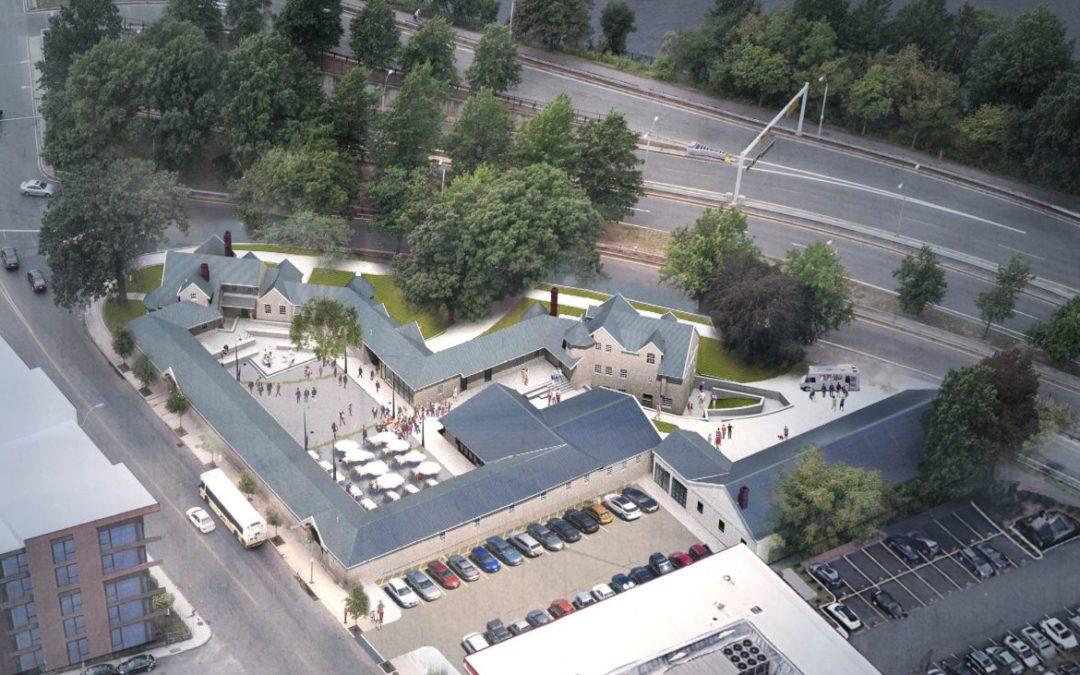
The Charles River Speedway is a dynamic, transformative reuse project that combines historic preservation and forward-thinking sustainable design to reposition a 19th-century racetrack and police station into a vibrant community asset and new gateway to the Allston-Brighton neighborhood of Boston.

The Speedway was originally constructed in 1899 by the Metropolitan Park Commission as a headquarters to support a new parkway along the Charles River, a park that turned a stretch of tidal mudflats into an interconnected series of public parks. This development included a mile-long horse and bicycle racetrack, which became one of the city’s most popular gathering areas. In later years, the facility housed the now-defunct Metropolitan District Commission Police. Many of the original horse stables were extended and converted into vehicular garages to support the agency. Hidden in plain sight along Soldier’s Field Road, the facility had been largely abandoned since 2005. Portions of the buildings had begun to decay, and one section suffered a fire.

credit: Department of Conservation & Recreation

The complex, owned by the Mass. Department of Conservation and Recreation (DCR), is listed on the National Register of Historic Places and is a Boston Historic Landmark. An irregular roofline connects six shingle-style buildings, creating a single-story courtyard. The arched gable entrances, porches, double hung windows and elaborate wood trim create an overall composition characteristic of William D. Austin’s architectural work for the Metropolitan Park Commission. Through the state’s Historic Curatorship Program, the DCR created a long-term lease for not-for-profit developer, Architectural Heritage Foundation (AHF) to rehabilitate and manage the historic property. 

Bruner/Cott worked alongside AHF to revitalize and preserve the complex, which now supports a variety of commercial uses. Tenants include small retail shops and maker spaces, shared offices, a restaurant, café, a publicly accessible community courtyard, and anchor tenant Notch Brewing.

credit: Bruner/Cott Architects

credit: The Speedway

credit: Department of Conservation & Recreation

credit: Department of Conservation & Recreation

The project’s preservation approach included:

  • Removal of piecemeal garage extensions at historic stable frontages and the reconstruction of lost features including wooden carriage access, sliding barn doors, and windows. 
  • A new, wooden ramp unifies original building entrances at the same grade and doubles as a stage for outdoor performances. 
  • Damaged interior plaster was removed to add insulation. 
  • Fieldstone foundations were reinforced with concrete and repointed. 
  • Stables and a 1940 concrete garage were fitted with recessive glazed fronts and overhead doors that connect them to the upper courtyard. 

Sustainable design strategies employed include:

  • A 100% electric mechanical system, which will become carbon-free as Boston actively decarbonizes its electric supply. The team approached the mechanical design with heat pumps, which reduced the amount of ductwork and piping needed as compared to an air system.
  • The envelopes leverage the low cost and low carbon of cellulose, while including new detailing to promote drying of the roof and wall sheathing and match the historic profiles of the existing buildings. This required development of a ventilation system under the sheathing of the roof. The new cladding system incorporated a new drainage plane to create a vapor open wall assembly, and protect the new cedar shingles by promoting drying throughout the year. 
  • The site now includes a complex, sub-surface stormwater recharge system to divert runoff from the adjacent Charles River. 
  • The basement and slab design implements robust barrier strategies at the building’s foundation to prevent ground contamination of VOCs leftover from previous uses from entering interior spaces. This included sheet barriers at slabs, clear sealing systems at historic fieldstone foundations so they could remain exposed, and future sub-slab ventilation systems, should they be needed to remove contaminants in the future.

credit: Bruner/Cott Architects

Welcome Summer 2021 Interns!

Join us in welcoming our Summer 2021 intern team! We are excited to have them with us to help drive forward our mission. With them joining, there is such great momentum moving us into this summer, and we can’t wait to see how much we get accomplished together. We are so grateful to have them, and wish them a warm welcome to this community!

Erika Yao

Hello! I am excited to join Ann, Ethan, and Meredith in their mission to drive sustainable and regenerative design within the built environment. I graduated last year from the University of Connecticut with my Bachelor’s in Environmental Engineering, and recently finished my first year of the Sustainable Building Systems Master’s program at Northeastern University. I am passionate about sustainable design and look forward to being more involved in the community surrounding green building.

Christian Rudder

Hi, my name is Christian; I’m thankful to be a part of the mission that’s playing a big role in making our community’s environment healthier and more sustainable. I’m currently a freshman computer science major at MassBay Community College looking to transfer into a 4-year college to get my bachelor’s and hopefully pursue my master’s. I’m eager to jump into the world of green buildings and utilize my talents to help push the future of sustainable and regenerative design, construction, and operations of the built environment.

Elizabeth Newton

Hi! My name is Elizabeth, I’m excited to be working with Built Environment Plus in such an important field to push sustainable design further ahead. I graduated in May from Clarkson University with my Bachelor’s in Civil Engineering and will be continuing on to obtain my Master’s in Sustainable Building Systems from Northeastern University starting this fall. I’m excited to gain some experience in the industry and apply it to my education later. I’m eager to see all my future opportunities within Built Environment Plus throughout this summer.

Melissa Stok

Hi! My name is Melissa Stok and I am thrilled to be joining Built Environment Plus this summer to learn about and work towards sustainability in the built environment. I am a current undergraduate student at the Massachusetts Institute of Technology majoring in Materials Science and Engineering and am hoping to minor in Sustainability or Energy Studies. I was introduced to sustainable design and construction last summer through a project that I worked on and immediately found a passion for this work which I will get to delve deeper into over the course of the next few months!

Congratulations to the First Ever Graduates of the BE+ Green Building Leadership Institute!

The Green Building Leadership Institute – Emerging Professionals Certificate Program is a self-paced program that allows emerging professionals and students to foster their sustainable building knowledge leadership skills, community engagement, and professional brand as the next generation of professionals within the built environment.

The program contains four credit categories; Accreditations/Certifications, Chapter Engagement, Community Involvement, and Leadership Development; each of which has a designated number of points that must be achieved to earn a certificate of completion. Participants complete the program once they reach 100 points, which is no easy feat.

The following nine participants recently earned these 100 points and graduated from the program. Many of them left earning their LEED AP BD+C, LEED Green Associate, and WELL AP Accreditations. They attended an impressive amount of events and trainings focused on green building knowledge and leadership. As part of the program, participants also volunteered time within their communities.

    • Abigail Keilman – Smith Group
    • Alex Testa – Siena Construction
    • Ashleigh Savage – Smith Group
    • Bethany Robertson – Ci Design
    • Caitlin Gilman – Perkins Eastman
    • Jacob Savona – The Green Engineer
    • Kara Slocum – Sasaki
    • Kristen Murphy – Acentech
    • Lindsey Machamer – Austin Energy Green Building

These nine emerging professionals have made an incredible personal investment with us these last two years, and in doing so have positioned themselves as community experts and the next generation of leaders ensuring we create a sustainable and resilience built environment. Congratulations to the graduates!

Hand Dryers are CDC Recommended and Also The More Sustainable Choice.

Hand Dryers are CDC Recommended and Also The More Sustainable Choice.

Written by Excel Dryer, photo via BusinessWire

The Centers for Disease Control and Prevention (CDC) updates handwashing guidelines and materials

The importance of proper hand hygiene, thoroughly washing and drying hands, cannot be overstated

EAST LONGMEADOW, Mass. – The Centers for Disease Control and Prevention (CDC) recently updated handwashing guidelines, standardizing language and updating visuals. Though hand dryers have always been recommended by the organization, language around the topic of hand drying was inconsistent across industries and materials. Now, with the latest updates, the CDC’s stance is unequivocally clear: hand dryers are a supported hand drying solution.

The CDC has shared that “germs spread more easily when hands are wet” and recommends thorough hand drying with clean towels or hand dryers to mitigate germ transfer and the spread of viruses like COVID-19. The organization’s robust hand hygiene media library now visually depicts both towels and hand dryers as a means to complete hygienic hand drying in materials supporting the Stop Germs! Wash Your Hands campaign including fact sheets, posters and other downloadable assets. Additionally, CDC hand drying FAQs and reopening guidelines across industries, including schools, make specific mention of hand dryers among recommended supplies to have on hand.  

“Hand drying is a critical step of proper hand hygiene but has not received the same media attention that handwashing has throughout the pandemic,” shared William Gagnon, vice president of marketing and sales at Excel Dryer. “Ask most anyone how long you should wash your hands and they’re likely to respond with ’20 seconds’ or ‘the amount of time it takes to sing Happy Birthday twice.’ I don’t believe they realize how important hand drying is to the process and am hopeful the updated materials will help to mitigate confusion and, in turn, the virus’ spread.” 

Excel Dryer’s line of sensor-activated, touchless hand dryers have long been trusted to achieve proper hand hygiene by retail stores, airports, restaurants, schools and universities, stadiums and arenas, hospitals and healthcare facilities, public safety complexes—and any commercial facility with public and/or employee restrooms.  

The CDC’s updated guidelines provide peace of mind to facility managers and members of the public who will interact with hand dryers as these sites reopen.

“We encourage policy makers, owners, operators and any decision makers or organizations responsible for commercial facilities to consult the updated CDC hygiene resources when reopening guidelines are formulated,” furthered Gagnon. “In some instances, these guidelines will need to be updated to correct incorrect guidance on the use of hand dryers. The CDC has made this point clear: hand dryers are recommended.”

When comparing paper hand towels to electric hand dryers, studies like those investigated by BuildingGreen, show that from an energy and water use perspective, hand dryers come out on top. This release from the CDC also verifies it’s also a hygienic solution as well. Read the blog post Check the Hand-Dryer Facts: Five Fundamental Facts Build a Strong Case for Hand-Dryers for additional information.

To review the CDC’s handwashing recommendations, visit cdc.gov/handwashing/when-how-handwashing.html. To learn more about Excel Dryer’s hygienic hand drying solutions, visit: exceldryer.com. 


About Excel Dryer, Inc. 

Excel Dryer has been manufacturing the finest American-made hand dryers for more than 50 years. The family-owned and -operated company revolutionized the industry with the invention of the patented XLERATOR® Hand Dryer that created the high-speed, energy-efficient hand dryer category and set a new standard for performance, reliability and customer satisfaction. Excel Dryer prides itself on offering the best customer service and making hygienic, cost-effective and sustainable products people can depend on. Available for distribution worldwide, Excel Dryer products can be purchased through an established network of sales representatives who call on more than 5,000 distributors globally. Learn more about Excel Dryer at exceldryer.com.

EMPA Event Recap: Virtual Summer Picnic

Written by Kiersten Washle

[responsivevoice_button voice="US English Female" buttontext="Listen to Post"]

The evening of July 9th everyone gathered round their computers to enjoy a virtual summer picnic with several guest speakers to discuss ideas around the theme of “How to Green Your Life.”

The first guest speaker, Sarah Oakes, spoke about how she vermicomposts in her backyard. She shared some practical tips for how anyone can compost, even without a backyard. For instance, she suggested keeping compostable scraps in a bag in your freezer until you can drop them off at a compost point.  

The second speaker, Thea, discussed her goal of having a wardrobe that isn’t environmentally harmful. She has developed a vetting practice for the brands she works with and purchases from to make sure they have truly sustainable practices versus greenwashed marketing. Check out her YouTube channel here. 

The last speaker, Prachi Dhavale, showed us how she created her own urban garden on a petit apartment balcony. Her space featured many brightly colored flowers and edible plants as well as a hummingbird feeder to really bring a touch of nature to an otherwise completely urban apartment. Check out more on her instagram @theperennialgreenlab. 

From these speakers and the conversations thereafter, here are some ideas on how to be more sustainable in your own life:

  • Compost
  • Avoid single use coffee cups by bringing your own or asking for your drink to be “for here” 
  • Air drying your clothes rather than using a dryer
  • Purchasing food with as little packaging as possible
  • Try growing your own food, some vegetables can be grown from scraps
  • Walk instead of drive
  • Shop locally
  • Use things until their end of life

Lastly, be sure to join us at the next EMPA meeting to get to know like-minded young professionals and grow the sustainable network!

Photo by Annie Spratt on Unsplash

The Emerging Professionals of Massachusetts (EPMA) Committee is a community of ascending professionals cross the green building industry and allied fields helping drive sustainable and regenerative design, construction and operation of the built environment. The committee provides professional support, development and advocacy tools through active networking, monthly programming and community events.

Check the Hand-Dryer Facts: Five Fundamental Facts Build a Strong Case for Hand-Dryers

Written By Excel Dryer

[responsivevoice_button voice="US English Female" buttontext="Listen to Post"]

Over the past few years, conflicting stories regarding hand-drying with paper towels versus hand dryers have proliferated. But industry professionals involved with building green, environmentally friendly buildings and facilities should understand the facts.

When you explore the latest statements and studies from the world’s foremost health authorities, the truth becomes much clearer. And, with hand hygiene playing a life-and-death role during the COVID-19 pandemic, it’s more important than ever to inform your building decisions with the safest, most economical selections. Simply stated, a smarter clean and green solution is at hand.

Fact ✓  There is no scientific data that suggests hand dryers spread the coronavirus.

Actually, powered hand dryers have the ability to remove viruses. A leading, independent air media and filter testing company—LMS Technologies—recently tested the effectiveness of hand dryers against the spread of germs. The HEPA Filtration System available in Excel Hand Dryers removed 99.999 percent of viruses.

Science has proven that no-touch, sensor-activated, hands-under, high-speed, energy-efficient hand drying is absolutely a hygienic way to dry hands after washing—and is an extremely efficient option, as well. 

“We have no evidence that hand dryers are spreading the coronavirus…”

World Health Organization

“There is no evidence that these hand dryers are spreading the virus.”

Johns Hopkins Medicine

Fact ✓  Hand dryers are “greener” than paper towels.

Did you know it takes 17 trees, 20,000 gallons of water and 40 cubic feet of landfill space to produce one ton of virgin paper? Not only that, that paper production pollutes 7,000 gallons of water.

The XLERATOR® Hand Dryer dries hands completely in eight seconds and uses 80 percent less energy than conventional dryers. XLERATOR is the only hand dryer that is Made In USA Certified®, BuildingGreen Approved and helps qualify for the most LEED® Credits of any hand dryer on the market.

Fact ✓  Hand dryers are the economical solution.

Hand dryers aren’t just “green”—they save you green as well. Operating hand dryers can cost as little as 50 cents per 1,000 uses. Comparatively, paper towels cost about $23 per 1,000 uses. That’s a huge costs savings. Over the life expectancy of the XLERATOR (1.35 million cycles), you can save almost $30,000 per hand dryer installed.

Our hand dryers also require minimal maintenance, improve restroom hygiene and contribute to a “touchless” restroom experience.

Fact ✓  Hand dryers are more sustainable than paper towels.

High-speed, energy-efficient hand dryers allow you to enjoy a 75% reduction in your carbon footprint versus paper towels. Excel Dryer continues to lead the industry in environmental sustainability. Excel was also the first in the industry to have their products independently evaluated, and their environmental claims substantiated with the publication of the hand dryer industry’s first Environmental Product Declarations (EPDs).

There’s never been a better time to look into premium-quality hand dryers with HEPA filtration. Excel Dryers are the cleaner, greener choice. Ready to learn more? Give us a call at 888-503-7937 or visit exceldryer.com.

Leading Health Organizations Recommend the Use of Hand Dryers

Written by Excel Dryer

[responsivevoice_button voice="US English Female" buttontext="Listen to Post"]

Excel Dryer sets the record straight: Hand dryers are hygienic, but misinformation persists

East Longmeadow, Mass. – The topic of hygiene has come to the forefront in mainstream media as reopening plans are introduced around the globe. While leading health organizations like the World Health Organization (WHO), and Centers for Disease Control and Prevention (CDC), recommend the use of hand dryers, misinformation about them remains online, and continues to be quoted and perpetuated. Leaders from Excel Dryer, manufacturer of XLERATOR® Hand Dryers, wish to deliver a message to educate the professionals, consultants and government officials who are creating reopening guidelines, and the general public, especially in times of COVID-19: Excel hand dryers are a safe, hygienic touchless solution and an effective way to achieve completely dry hands, a critical part of proper hand hygiene, the top defense against the spread of germs.

Kelly Reynolds, Ph.D., Professor and Department Chair at the Mel & Enid Zuckerman College of Public Health at the University of Arizona, offered an explanation as to the root of these misconceptions, stating that, “Consumers may only read [sensationalized] headlines which can influence public opinion toward biased or erroneous conclusions, [but] the fact is, the breadth of data available does not favor one hand drying method as being more hygienic or safer.”

Excel hand dryers provide a touchless hand drying solution to help prevent potential cross-contamination between restroom surfaces and wet hands. All dryers in Excel’s line are hygienic, but dryers with HEPA have been proven to add another level of protection. Viral efficiency testing conducted by the preeminent independent air media and filter testing company, LMS Technologies in April of 2020 found that XLERATOR®, XLERATOReco® and XLERATORsync® Hand Dryers with HEPA Filtration Systems remove 99.999 percent of viruses from the airstream. 

William Gagnon, vice president of marketing and sales at Excel Dryer, wishes to correct misinformation and biases about hand dryers. “Hand dryers are hygienic and have been used to properly dry hands for decades. In addition to top health organizations recommending their use, hand dryers also provide significant benefits over paper that are undisputable. For example, our recent test results prove XLERATOR hand dryers with HEPA Filtration Systems remove 99.999 percent of viruses from the airstream, something paper will never be able to do.”

Conversely, paper towels may not be as hygienic as the public believes. One independent study showed 17 species of bacteria on unused, recycled paper towels, including Bacillus, which can cause food poisoning. After their use, damp paper towels are a breeding ground for viruses and bacteria in and around trash receptacles and can be used to clog toilets and sinks creating a very unhygienic restroom environment. If the paper towels are out of stock, visitors cannot dry their hands at all, and wet hands have been shown to be 1,000 times more likely to transfer germs than dry hands.

Gagnon concluded, “I encourage members of the public and those individuals charged with the creation of guidelines, reopening plans or facilities operations, to dive deeper into news articles and hygiene studies rather than simply believing sensationalized, click-bait headlines born from biased results. Hand dryers are safe and hygienic. They dry hands completely, and are a top defense against the spread of germs.”


About Excel Dryer, Inc.

Excel Dryer has been manufacturing the finest American-made hand dryers for more than 50 years. The family-owned and -operated company revolutionized the industry with the invention of the patented XLERATOR® Hand Dryer that created the high-speed, energy-efficient hand dryer category and set a new standard for performance, reliability and customer satisfaction. Excel Dryer prides itself on offering the best customer service and making hygienic, cost-effective and sustainable products people can depend on. Available for distribution worldwide, Excel Dryer products can be purchased through an established network of sales representatives who call on more than 5,000 distributors globally. Learn more about Excel Dryer at exceldryer.com.