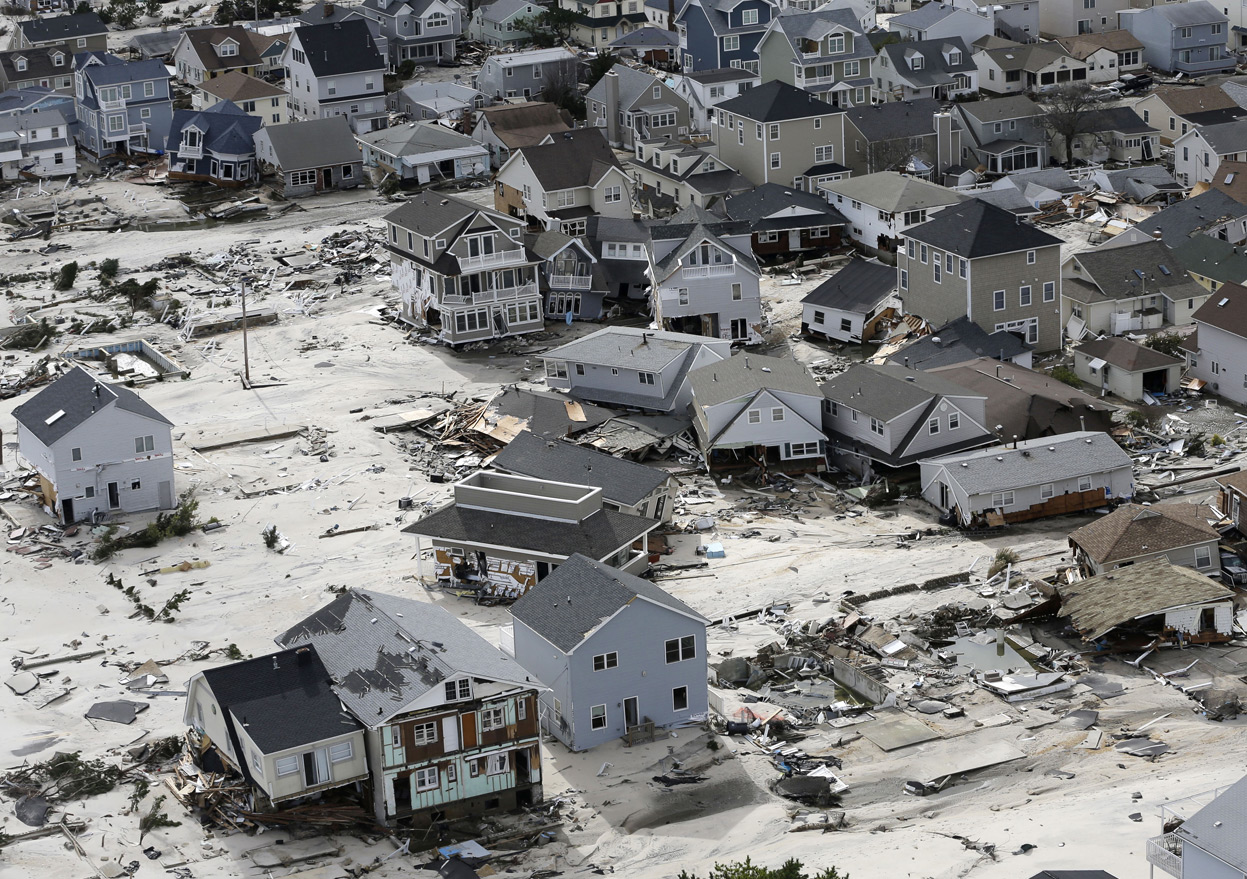
We are all hearing about the importance of this topic. We have participated in information sessions and presentations about the dangers of sea level rise, increased storm intensity and other issues connected to resilience. We have memorized the new shoreline maps and we “get it” that our infrastructure is going to need some help, big time.
How do we actually get resilience done? What are the practical things we can do as developers, designers, implementers and users of buildings and building systems?
The USGBC community has developed LEED Pilot Credits for resilience which are immediately available actions that every building project could incorporate – they are reasonable steps that any property can benefit from.
Filippo Masetti at SGH will talk about improving the resilience of buildings subject to coastal flooding and the new LEED resilience pilot credits.
Arlen Stawasz of Perkins+Will will present on the RELi Action List they have developed for designers.
Michael Green of Climate Action Business Association (CABA) will share their “BARS” program of resources for small businesses' response to sea level rise.
Jim Newman of Linnean Solutions will facilitate.
Join us for a sequence of important tool-sharing presentations, and a conversation among peers who are on the front lines of responding to the changing baseline of environmental conditions for our communities.
Join us to learn steps you can take right now in your practice, at your company, or for your organization, to implement resilience in your building projects.
Linnean Solutions, a USGBC MA bronze-level sponsoring partner, was recently commissioned by the city of Boston to produce a report about how future climatic changes and weather-related ramifications will affect the city of Boston. Most notable in the report is the focus on climate change-related effects and Boston's unique geographical and historical circumstances.
Boston is particularly susceptible to the effects of climate change since it is an older coastal city. The report also highlights that this vulnerability will be amplified by the fact that the city transformed from a small isthmus into a vibrant metropolis via 19th-century landfill projects. The report then covers USGBC's favorite topic: buildings. The Building Resilience report outlines 11 building types, with small-scale housing of one to three stories—think those iconic triple-deckers—comprising almost a third of Boston’s square footage. Building resilience and city planning are two of the most crucial methods to adapt to new climatic patterns and storms.
The report discusses the most likely natural hazards to affect Boston– high winds, thunderstorms, blizzards, and Nor'easters, and explains how their secondary effects (such as chemical spills and commodity shortages) will affect the city. Lastly, it discusses the impact of climate change on Boston's population and various strata (since some populations have additional risks that call for consideration).
As climate change shapes the weather and world around us, Boston continues to prepare for the future. This report aims to support the city’s efforts through a deeper understanding of its land, built environment, the likely natural hazards, and the people most at risk. To learn more about these issues and the best resilience practices for Bostonians, check out the Linnean's website.